
Space and Astronomy
All members of our community can post their own interesting news, funny or weird stories in this section. Click on the link below this message and add your own story!
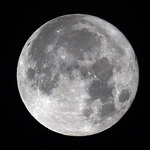 Supermoons have been all the rage this year and we’ve now been treated to the final one of 2016. Not to be eclipsed by its predecessor, the latest supermoon was just as beautiful as the last. Supermoons have been all the rage this year and we’ve now been treated to the final one of 2016. Not to be eclipsed by its predecessor, the latest supermoon was just as beautiful as the last.Appearing larger and brighter as it passes closer to Earth than normal, the moon lit up the night sky around the world on Tuesday, much to the pleasure of Instagram users everywhere. From Saudi Arabia to Ireland, skywatchers were treated to a cosmic show. Although not as large as last month’s once-in-a-generation supermoon, which won’t occur again until 2034, the latest supermoon was bright enough to reduce visibility of the Geminid meteor shower. Determined stargazers still managed to spot a few meteors during the Earth's annual crossing with the path of debris from the 3200 Phaethon asteroid. |
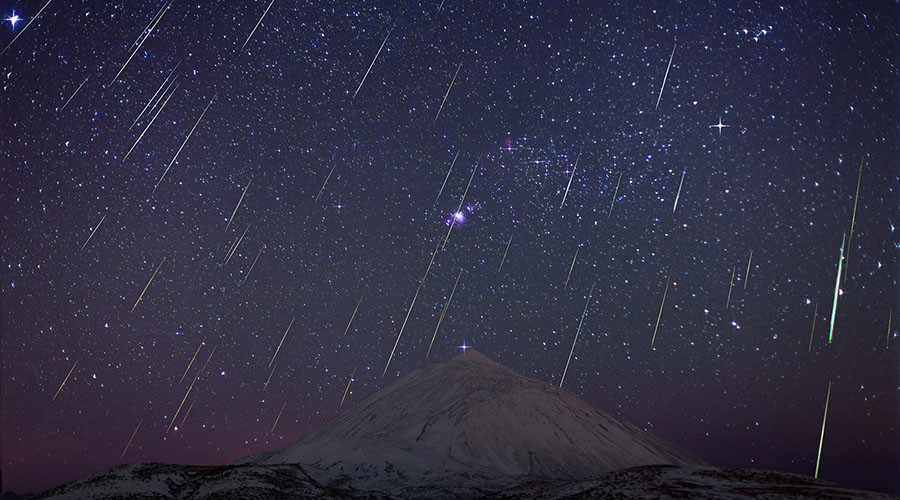 The scene is set for a battle of the skies late on Tuesday when the annual dazzling display of Geminid meteors competes with an impressive supermoon to brighten up the December night.
The Geminid meteor shower is set to peak on the night of December 13 through to the morning of December 14, however this year the celestial show is set to be outshone by the final supermoon of the year.
The Geminids occur every December when Earth crosses the orbital part of the 3200 Phaethon asteroid. The debris from the asteroid burns up as it falls into the atmosphere creating the spectacular display of shooting stars. The scene is set for a battle of the skies late on Tuesday when the annual dazzling display of Geminid meteors competes with an impressive supermoon to brighten up the December night.
The Geminid meteor shower is set to peak on the night of December 13 through to the morning of December 14, however this year the celestial show is set to be outshone by the final supermoon of the year.
The Geminids occur every December when Earth crosses the orbital part of the 3200 Phaethon asteroid. The debris from the asteroid burns up as it falls into the atmosphere creating the spectacular display of shooting stars. |